Welcome To London Duct, Canopy & Kitchen Extraction Cleaning · TR19 Cleaning & Reporting .
Duct Clean London
ANONYMISED PROJECT EXAMPLES

Commercial extraction cleaning case studies

These ten anonymised case studies show the types of access, cleaning and reporting situations handled by Duct Clean London. Client names and exact addresses are not published. Results depend on the system, condition and access available at each site.

Case study 1: Annual restaurant extraction clean

A busy independent restaurant needed its planned annual extraction clean completed outside service hours. The scope covered the canopy, removable metal grease filters, accessible plenum, duct sections and extraction fan. Before attendance, the manager shared opening times and the previous report, which helped identify the existing access points. Cooking equipment was switched off and cooled before the team started, and nearby surfaces were protected. The accessible system was cleaned and photographed, while the report described the components included and any limits. The client received a clear record for its maintenance file. No claim was made about areas that could not be directly reached, and the future review date remained subject to cooking volume, deposit return and the responsible person’s requirements.

Case study 2: High-level external discharge riser

A central London kitchen had previously completed most of its internal extract cleaning, but an external high-level discharge section remained outstanding. The work could not be approached as a routine canopy visit because safe access equipment and building coordination were required. Photographs and the earlier report were reviewed before arranging access. The site contact approved the use of suitable high-level equipment and confirmed how the external area could be reached. The remaining accessible riser and discharge components were treated as a separate, clearly defined scope. The final record distinguished this work from the earlier internal clean. This case shows why full extraction coverage can depend on roof, courtyard or façade access and why a contractor should identify those practical requirements before promising completion.

Case study 3: Poor suction and an unsuitable filter arrangement

A restaurant reported weak extraction and asked for the filter box and fan to be reviewed. Inspection found a reusable metal filter in the intended path, while a carbon filter had been placed where the housing did not provide a suitable dedicated position. The compact fan was also contaminated with grease. The proposed cleaning scope covered the canopy, accessible duct, fan and reusable filter. The client was advised that a disposable carbon filter should not be washed and refitted and that cleaning alone could not guarantee restored airflow. Any continuing suction problem would require mechanical assessment of the fan, controls, airflow and system design. The written explanation separated cleaning observations from engineering advice so the restaurant could make an informed maintenance decision.

Case study 4: Planned cleaning for three restaurant locations

A restaurant operator wanted a consistent maintenance arrangement across three sites. Rather than treating each visit as an unrelated one-off job, the work was organised around a repeatable scope: canopy, accessible extraction components, reports, cleaning records and invoicing for each location. The sites still required individual review because duct routes, access panels and equipment were not identical. Planned dates were discussed around opening hours, and access issues had to be recorded separately for each premises. This approach gave the operator a clearer structure for future visits while avoiding the assumption that one cleaning method or interval automatically suited every kitchen. Multi-site maintenance works best when each system keeps its own photographs, limitations and service history within the wider contract.

Case study 5: Grease-management unit cleaning alongside duct work

A commercial site had two BioCeptor grease-management units that required periodic emptying and cleaning in addition to its kitchen extraction service. The consumables and internal condition needed to be confirmed before attendance, so photographs with the lids removed were requested. Where clear images were not possible, an inspection was proposed before the scheduled work. The grease units were treated as a separate item from the canopy and duct system because they perform a different function and require their own safe handling process. Coordinating both tasks for the same maintenance window helped the site reduce repeated access arrangements, but the quotation and record still identified each service separately. This prevents grease-management work from being confused with TR19 Grease-aligned extraction cleaning.
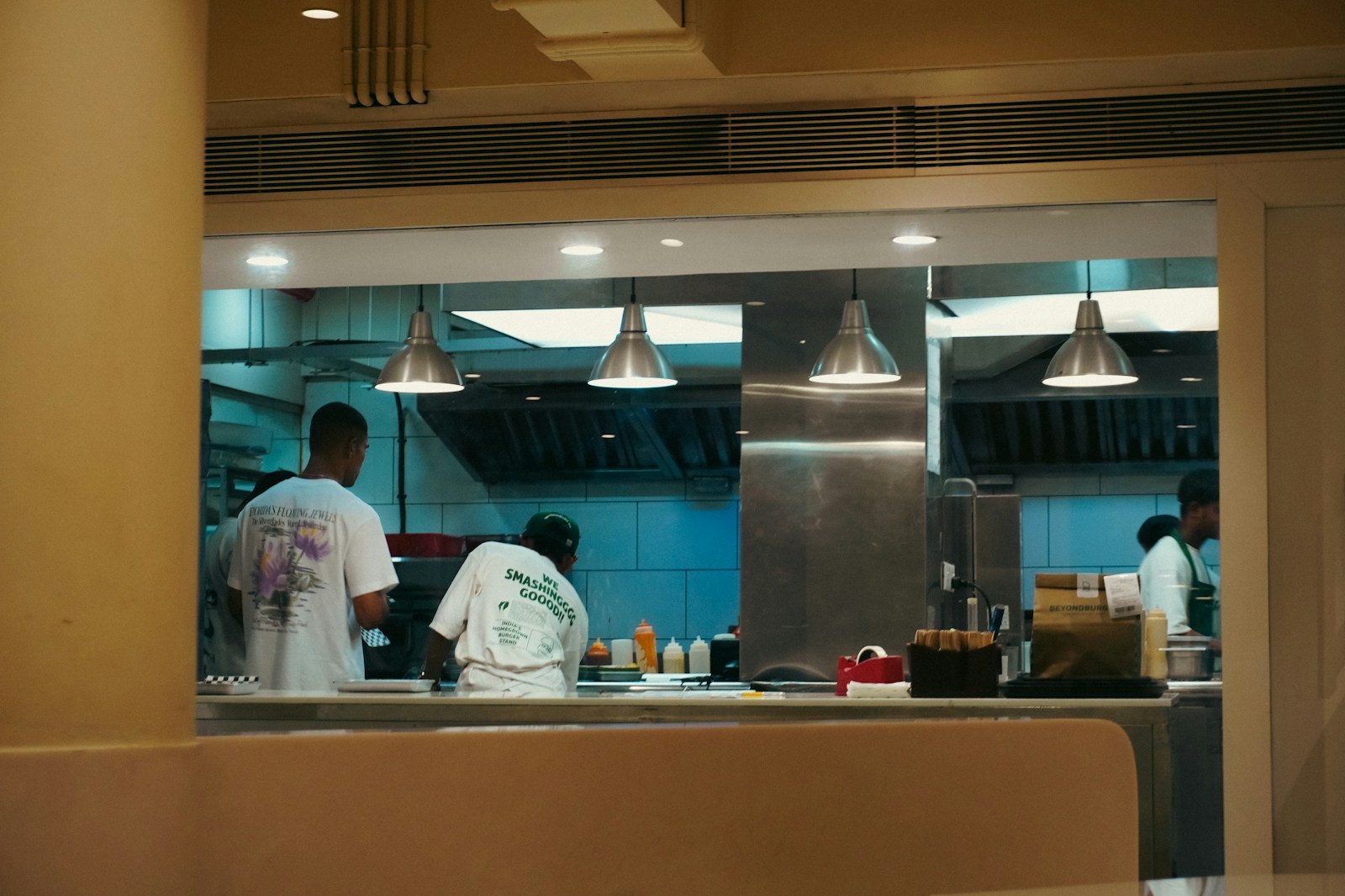
Commercial kitchen extraction system being prepared for professional cleaning

Case study 6: Additional access panels for concealed ductwork

A kitchen extraction route contained sections that could not be properly reached from the existing openings. Cleaning through a distant or unsuitable opening would not provide a reliable view of internal surfaces, so additional access was discussed. The panel positions had to consider duct size, nearby services, safe tool movement and the ability to close the duct securely after work. Once suitable access was available, the relevant sections could be included in the agreed cleaning scope and photographed. The report recorded both the new access and the areas reached. This type of project demonstrates that access panels are not cosmetic additions: they support safer inspection, cleaning and future maintenance. Panel installation must still respect the duct construction and any fire-rating or building requirements that apply.

Case study 7: After-hours cleaning in a central London kitchen

A central London restaurant needed work arranged after closing so normal food service would not be interrupted. Planning included the closing time, staff handover, alarm arrangements, waste handling, loading restrictions and confirmation that cooking appliances could cool before cleaning. The team’s scope covered the agreed canopy and extraction components that were accessible during the visit. Protective preparation was particularly important because the working area was compact and surrounded by valuable catering equipment. At completion, the kitchen was left orderly and the report documented the work. The main lesson was that an overnight appointment is not simply a later start time: the site must provide safe access, responsible contacts and enough time for preparation, cleaning, checks and handback before the next service.

Case study 8: Roof-mounted extraction fan cleaning

A roof-mounted fan serving a commercial kitchen showed grease contamination around its accessible housing and blades. Before work, the site needed to confirm roof access and safe electrical isolation. Weather, edge conditions and the route for equipment also had to be considered. Cleaning removed deposits from components that could be reached without unsafe dismantling. The report recorded the fan location and any limitations. It also made clear that cleaning does not repair worn bearings, damaged blades, belts, controls or motors. If noise, vibration, overheating or poor suction continued, an appropriate ventilation or electrical specialist would be needed. By separating cleaning from repair, the client received an honest account of what had been completed and what might require further investigation.

Case study 9: Coffee shop with a lighter cooking operation

A coffee shop requested a review of its canopy and extract because its menu and operating hours had changed. The system did not automatically require the same scope or maintenance frequency as a high-volume restaurant using fryers and chargrills. The first step was to identify the appliances, filter type, duct route, fan location and the deposits visible in accessible areas. A proportionate cleaning scope was then discussed around actual use rather than a generic package. The client was advised to keep routine filter care and changes in menu or hours within its maintenance record. This case highlights why property type alone is not enough: two coffee shops can create very different extraction loads depending on their cooking activities and daily production.

Case study 10: Laundry extract and lint-management enquiry

A laundry premises contacted the team about an extract route affected by lint and restricted airflow. This was assessed separately from commercial kitchen grease extraction because the contaminant, equipment and risk profile were different. The initial review focused on the dryer connections, accessible duct route, termination point, operating hours and areas where lint could collect. The site was asked for photographs and equipment details before a cleaning scope was proposed. Any mechanical fault or unsuitable duct design would require the correct appliance or ventilation specialist; cleaning could address reachable deposits but could not guarantee performance where equipment was damaged. The record clearly described the service as laundry extract cleaning rather than TR19 Grease work, helping the client understand the difference.

Every site needs its own accurate scope

Send your postcode, system photographs, opening hours, access details and previous report. We will review the information and explain the next practical step.

Ready to plan your next clean?

Tell us about your site, the system and your preferred timing. We will contact you to agree the right scope and next steps.

Duct Clean London

Commercial kitchen extraction and ventilation cleaning.
North West, West and Central London · Zones 1–4 enquiries welcome.
© 2026 Duct Clean London Ltd

Your kitchen extraction clean, from survey to report

Duct Clean London plans the accessible canopy, filters, ductwork, fan and discharge route as one connected system.

01

Review the system

We check photographs, opening hours, cooking type, previous reports and the extraction route.
02

Agree access

We identify access panels, high-level areas, risers, roof restrictions and safe working requirements.

03

Clean the scope

Our engineers degrease the agreed accessible canopy, filters, ducts and fan components.

04

Record the work

You receive post-clean photographs, a cleaning record and clear notes about limitations or follow-up.

Canopy & filtersDuctworkExtraction fansTR19-aligned reportingLondon Zones 1–4
Request a free quote

See our latest work on TikTok

Follow @ductcleanlondon for recent kitchen extraction and duct-cleaning videos.

@ductcleanlondon on TikTok
Open our TikTok profile

Our London service area

Explore the live map below. We mainly cover North West, West and Central London, including many locations within travel Zones 1–4. Send your full postcode so we can confirm access and availability.

Main service area
View Duct Clean London on Google Maps

Rated 5.0 by our customers

★★★★★
5.0 · 9 Google reviews

See our Google Business Profile for customer feedback, photos, opening information and contact details.

View Duct Clean London on Google
5.0 Google rating9 customer reviews